How can you efficiently use public transport in Crete in 2026?
Relying on Crete's public bus transit is the most efficient and economical strategy for independent travelers choosing a car-free vacation model. This independent guide breaks down actual ticket costs, real-world operational timetables, and practical route insights. Navigating the island by coach grants complete logistical freedom without the financial liabilities of high-season car rentals.
Looking for today's departures? Jump straight to the official timetables or open the interactive stop map.
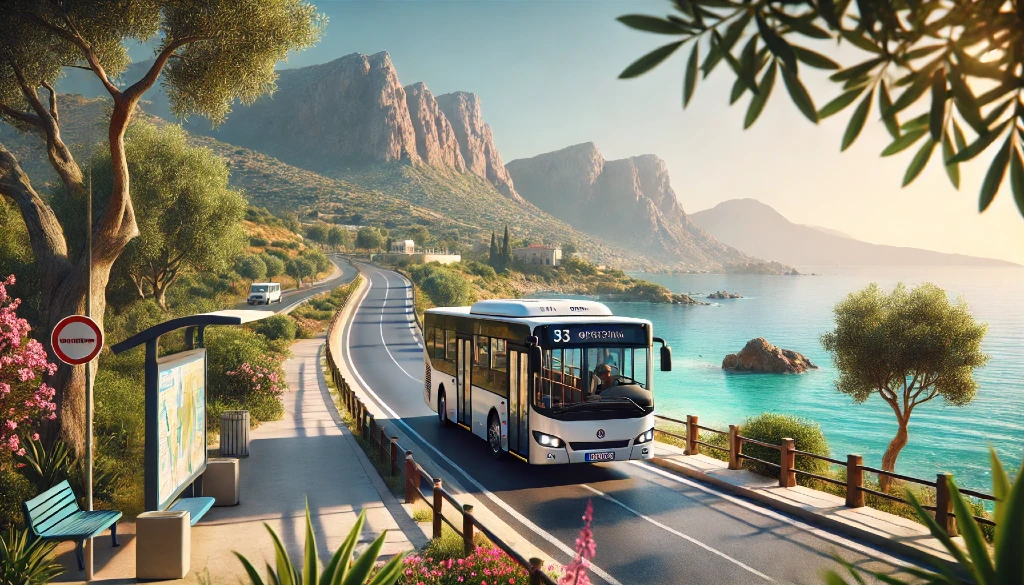
What is KTEL and how does it operate across the island?
KTEL is a decentralized network of independent regional bus co-operatives that serves as Greece's primary public transportation framework. In Crete, this utility operates high-deck long-distance modern coaches rather than standard low-floor city transit buses. The grid is split geographically into two separate corporate management sectors: the West-Central division and the Eastern division.
KTEL stands for Kino Tameio Eispraxeon Leoforeion (Joint Fund of Bus Receipts). Because it functions as an association of private fleet owners operating under strict national regulations, the vehicles are exceptionally reliable, clean, and safe. Passenger cabins are equipped with elevated seats, extensive under-bus luggage lockers, and high-output climate control systems.
Stepping from a blistering, sun-drenched roadside that smells of wild mountain thyme directly into the crisp, arctic chill of a KTEL coach brings instant relief. The high passenger windows provide a stunning, panoramic view of the deep blue Cretan sea, making the journey feel like a scenic tour rather than basic transit.
Which are the most popular bus routes for sightseeing?
The primary public transport routes cross the northern coastal highway, connecting major administrative cities via fast intercity express lines. Seasonal daily shuttles branch out dynamically from these main hubs, transporting visitors directly to ecological reserves and protected beaches. Utilizing these core lines allows budget-conscious tourists to execute comprehensive sightseeing itineraries easily.
Bus Chania Heraklion
Bus Heraklion Agios Nikolaos
Bus Chania Elafonisi
Bus Heraklion Matala
How do you buy tickets and board buses in Crete safely?
Bus tickets in Crete can be securely pre-booked online through official regional portals, bought from automated terminal counters at primary urban hubs, or purchased using cash directly from the conductor. Fares are state-regulated based on distance, ranging from €1.20 for short local routes up to €16.00 for cross-island express lines. Navigating the actual boarding process is straightforward if you follow standard station rules.
To ensure a completely seamless and efficient transit experience, independent travelers should follow this practical three-step process:
- Check Current Schedules Remotely: Always check the official scheduling databases a day prior, as transit frequencies scale up dramatically during the summer high-season.
- Procure Your Ticket in Advance: Buy your fare online or visit a traditional local Periptero—a licensed Greek street kiosk that stocks local city transit papers.
- Identify the Correct Platform: Arrive at the terminal early, match your destination with the digital departure boards, and hand oversized bags to the handler for under-bus storage.
When boarding a bus at a quiet, rural mountain crossroads flag-stop, it is vital to remember that digital card readers are rarely available. Keeping a handful of small Euro coins or low-value banknotes in your pocket is a total lifesaver. Local drivers and conductors simply do not carry enough change for a fifty-euro note on a short two-euro trip, and having exact cash avoids stressful roadside delays. Saving a digital copy or screenshot of the popular KTEL Chania – Heraklion timetable ensures you can always cross-reference return times even when cell service drops in the deep valleys.
- Official KTEL West-Crete Portal - Direct link to check live operational schedules and buy tickets for western routes.
- Official West Timetable Grid - Real-time transit frequencies between Chania, Rethymno, and Heraklion.
Check Official West-Central Carrier Schedules
As an independent guide, we recommend verifying exact daily departure variations directly on the official KTEL ticketing server.
How can you access the interactive bus stops map?
The official, real-time interactive geospatial route map tracking active bus stops is hosted directly on the carrier’s secure web servers. Because routes can shift dynamically due to seasonal road maintenance or community adjustments, accessing the live server ensures you have the most precise tracking information available.
Avoid missing hard-to-see rural roadside shelters by reviewing the official live transit tracking map directly on your smartphone before heading out.
Open Official Route MapWhat are the main advantages of traveling around Crete by bus?
Choosing the regional bus network over a private rental car yields substantial financial savings, completely eliminates high-season driving anxiety, and significantly reduces your carbon footprint. It is the premier strategic choice for budget-conscious tourists aiming to experience a relaxed holiday. Mass transit transfers the responsibility of mountain driving onto highly experienced local professionals.
- Substantial Budget Savings: Bypass expensive high-season rental rates, volatile fuel costs, parking fees, and costly CDW (Collision Damage Waiver) insurance premiums.
- Worry-Free Mountain Travel: Avoid the stress of navigating impossibly narrow cliffside switchbacks, unmarked single-lane tracks, and erratic local scooter traffic.
- Punctual Intercity Transit: The primary coastal express routes stick strictly to their published timetables, enabling accurate day-trip planning.
- Eco-Friendly Island Preservation: Shared transportation drastically cuts down per-capita exhaust emissions, helping to safeguard the island's vulnerable coastal ecosystems.
What is KTEL Herlas and how does it serve eastern Crete?
KTEL Herlas is the regional transit cooperative managing public coach routes across central and eastern Crete, operating completely independently from the western network. It serves as a vital transit link connecting travelers from Heraklion terminal to the Lasithi Plateau, Agios Nikolaos, Ierapetra, and Sitia.
KTEL Herlas officially operates under the corporate name KTEL Heraklio - Lasithi S.A. From an independent guide's perspective, utilizing this secondary network is an absolute necessity for travelers wanting to escape commercial crowds. It opens up safe access to quiet mountain communities, secluded historical monasteries, and uncrowded southern coastal areas where ancestral Cretan culinary traditions remain fully intact.
How can you successfully navigate using the KTEL Herlas network?
Traveling via the KTEL Herlas sub-network requires checking a separate online database and utilizing their distinct terminal bays located in Heraklion. Tickets are fully digitalized and can be bought through their official mobile application, at station ticketing counters, or directly on the coach itself.
- Official KTEL Herlas Hub - Direct link to check live operational updates for eastern and central Cretan bus routes.
- Official Eastern Timetables - Daily departure grids covering the Lasithi, Sitia, and Ierapetra sectors.
Check Official Eastern Carrier Schedules
Planning a trip east? We advise checking live connection changes directly on the official KTEL Herlas ticketing server.
How do you use the official carrier mobile application?
Planning trips across eastern Crete is made much easier by utilizing the official mobile application developed by KTEL Herlas. This smartphone app acts as a helpful digital travel companion, helping you avoid long waits at rural bus shelters.
Verifying schedule modifications directly inside this app is the quickest way to stay updated, making sure you don't rely on outdated physical paper signs at village stops.
The secure checkout system allows you to store valid digital passes directly on your phone, removing the need to track down open ticket windows in sleepy rural towns late at night.
This digital tool allows you to instantly check exact ticket prices for any specific route segment, so you know precisely how much cash to keep on hand.
Download the carrier's official mobile application via verified digital storefronts:
iOS App Store Download | Android Google Play DownloadWhat are the realistic limitations of relying on public buses?
The primary downsides of using Cretan public buses are rigid adherence to fixed timelines, sharply reduced service frequencies during the evening or off-season, and a lack of direct routes to highly remote beaches. Independent travelers must plan their days carefully around these logistical parameters to avoid getting stranded. Missing a final return bus can easily disrupt your plans and result in unexpected expenses.
Relying solely on public transit means your day trips are bound to a strict schedule matrix. There is nothing more disappointing than having to abandon a beautiful beach on the southern coast right in the middle of a golden Libyan Sea sunset because the last scheduled return coach over the mountains leaves strictly at 17:30. If you miss that final window, your only alternative is facing a steep eighty-euro taxi fare back to the northern resort towns. Additionally, isolated nature reserves like the depths of the Samaria Gorge require coordinating with regional ferry boats and connecting buses, which demands careful timeline management.
How do you travel seamlessly from Cretan airports via public bus?
Both primary international gateways—Heraklion Airport (HER) and Chania Airport (CHQ)—feature designated regional bus shelters situated directly outside their main arrivals terminals. These local city shuttles run frequently during daylight hours, providing cheap transport straight into the main urban transit hubs where long-distance routes depart. It is an exceptionally simple system for arriving passengers.
A standard single ticket from the Heraklion airport terminal directly into the urban city center costs roughly €2.00 using the local blue city transit line. Shuttles run approximately every 10 to 15 minutes during regular daylight hours, aligning smoothly with commercial flight arrivals. If your flight lands late at night after the public schedules pause, booking a traditional taxi or private transfer remains your only reliable option to reach your hotel safely.
What are the best insider tips for a smooth bus journey in Crete?
Maximizing your public transit efficiency requires arriving at bus stops early, keeping small euro denominations on hand, and bringing extra layers to handle powerful air conditioning. Following these basic travel rules ensures a comfortable, stress-free travel experience across the island. A little bit of physical preparation goes a long way when utilizing regional mass transit systems.
- Arrive 10 Minutes Prior: Intermediary roadside drivers can occasionally pass ahead of estimated schedules if earlier passenger boarding goes quickly.
- Keep Small Euro Change: Always preserve a supply of small Euro coins and low-value paper banknotes to ensure smooth ticket purchases at rural village stops.
- Pack a Light Travel Scarf: The contrast between blistering outdoor heatwaves and the intense, arctic blast of onboard bus air conditioning can feel shocking without a light layer.
- Take Offline Screenshots of Schedules: Mobile cellular network coverage can drop completely when passing through deep mountain valleys, so save return timetables directly to your device storage.
Embracing the regional bus system is an exceptional, low-stress strategy to fully immerse yourself in Crete's slow-paced lifestyle while keeping your travel budget intact. With a little forward planning, public buses can become your best asset for a highly memorable, independent Mediterranean vacation.
Public transport in Crete – FAQ
Public transit across the island relies on a highly modernized, expansive fleet of regional KTEL buses. They connect all major administrative capitals (Heraklion, Chania, Rethymno, Agios Nikolaos) with high frequency, serving as an exceptional budget alternative to standard car rentals during the peak tourist season.
Tickets for all KTEL lines can be conveniently bought online via official regional websites, from touchscreen vending kiosks at metropolitan stations, or directly from the driver using cash at small rural village shelters.
Fares are calculated based on travel distance. Short local city routes generally cost between €1.20 and €2.50, while long-distance cross-island express routes (such as traveling from Heraklion across to Chania) cost approximately €15.00 to €16.00, making it highly economical.
Yes, KTEL lines are generally highly punctual, especially when departing from primary terminal hubs. However, during the peak of the summer vacation rush, travelers should expect minor delays of 5–15 minutes due to heavy coastal highway traffic and high passenger boarding volume.
Absolutely. Both Heraklion (HER) and Chania (CHQ) airports feature direct transit stations situated immediately outside their arrival terminals. Direct blue shuttle lines into the urban centers run roughly every 10–15 minutes and cost only around €2.00.
If your destination is not covered by the bus grid, the primary alternatives include traditional car rentals or local scooter hires. For highly secluded nature reserves like Balos Lagoon or the deep trails of the Samaria Gorge, booking structured, organized day tours with hotel pick-up is often the most practical solution.
You might also be interested in...
Handpicked specifically for you to make your journey to Crete complete.
Rethymno - The Venetian Pearl
Stroll through the picturesque streets of the old town, discover the monumental Fortezza, and feel the unique atmosphere of a place where Venetian architecture harmoniously blends with Ottoman history and a modern Greek lifestyle.
Read article →Elafonissi Beach
Discover the magic of pink sand and shallow, turquoise waters. Find out when it is best to visit this famous beach to avoid crowds, how to get there safely, and why it is worth staying until sunset to feel its true vibe.
Read article →