Crete Travel Tips 2026: What to Know Before You Go – My Personal Experience
The moment I first set foot on this land, I understood why Crete, the largest Greek island, has been a legend among travelers for decades. In 2026, its charm is as strong as ever, and with every visit, I discover that the perfect Greece vacation has its own unique rules—things you won't find in your average travel brochure.
During my journeys—from bustling harbors to wild mountain backroads—I’ve learned that the key to a stress-free trip is understanding the local way of life. People often ask me: “What should we really watch out for?”. My answer isn't based on dry facts, but on first-hand experience. I know exactly where a gravel road becomes a challenge for drivers, how to read the sea's signals, and where common tourist traps might lighten your wallet.
I created this Crete travel guide so you can learn from my mistakes instead of your own. I’ve gathered all the latest tips on safety, local regulations, and prices to ensure your stay is pure pleasure, free from unwanted surprises. Enjoy my personal insights from this extraordinary island.
Safety and Practical Travel Tips
Essential rules and insights to ensure your vacation in Crete is peaceful, safe, and stress-free.
Summer temperatures often exceed 40°C. Use high SPF sunscreen and avoid direct sun exposure at midday.
Tap water is safe for washing and cooking, but we recommend bottled water for drinking.
Narrow and winding mountain roads require focus. Stay alert for the dynamic local driving style.
Keep a close eye on your wallet and documents in crowded harbors, markets, and tourist hubs.
Scorpions and snakes are rare, but stay cautious when hiking in the high mountains or off-road.
Pack basic painkillers, bandages, and treatments for insect bites or minor skin irritations.
1. Sun and Heat in Crete
Crete is famous for its hot Mediterranean climate, especially during the peak summer months. In July and August, temperatures can soar up to 40°C (104°F), which can be quite a challenge if you aren't used to such intense heat.
- Sun Protection: Always use high-factor SPF sunscreen, wear a hat and sunglasses, and choose light, breathable clothing to protect your skin.
- Stay Hydrated: Drink water regularly to avoid dehydration. It’s best to carry a reusable water bottle and refill it frequently with fresh water.
- Avoid Peak Hours: Try to limit intense physical activity between 11:00 AM and 4:00 PM, when the sun is at its strongest.
- Find Shade: Plan breaks in shaded areas or air-conditioned spaces to give your body a chance to cool down.
2. Local Wildlife and Nature in Crete
Crete is home to unique plant and animal species, but some encounters can be tricky for hikers:
- Scorpions and Snakes: While encounters are rare, stay alert when hiking in wild areas. Wearing closed-toe shoes and avoiding reaching into rock crevices are simple but effective safety measures.
- Insects: Mosquitoes can be annoying, especially in the evenings. It’s a good idea to pack an effective insect repellent.
- Prickly Plants: Some local flora, like thorny shrubs, can cause skin irritation. Watch your step and avoid contact during your nature walks.

3. Transport and Driving in Crete
Traffic in Crete can feel a bit chaotic, and local drivers sometimes have their own "flexible" interpretation of road rules. Understanding the local driving culture is key to a safe trip.
- Car Rental: Before signing your contract, check the car's condition and the insurance policy. Look for options that cover damages specifically for the narrow, winding mountain roads.
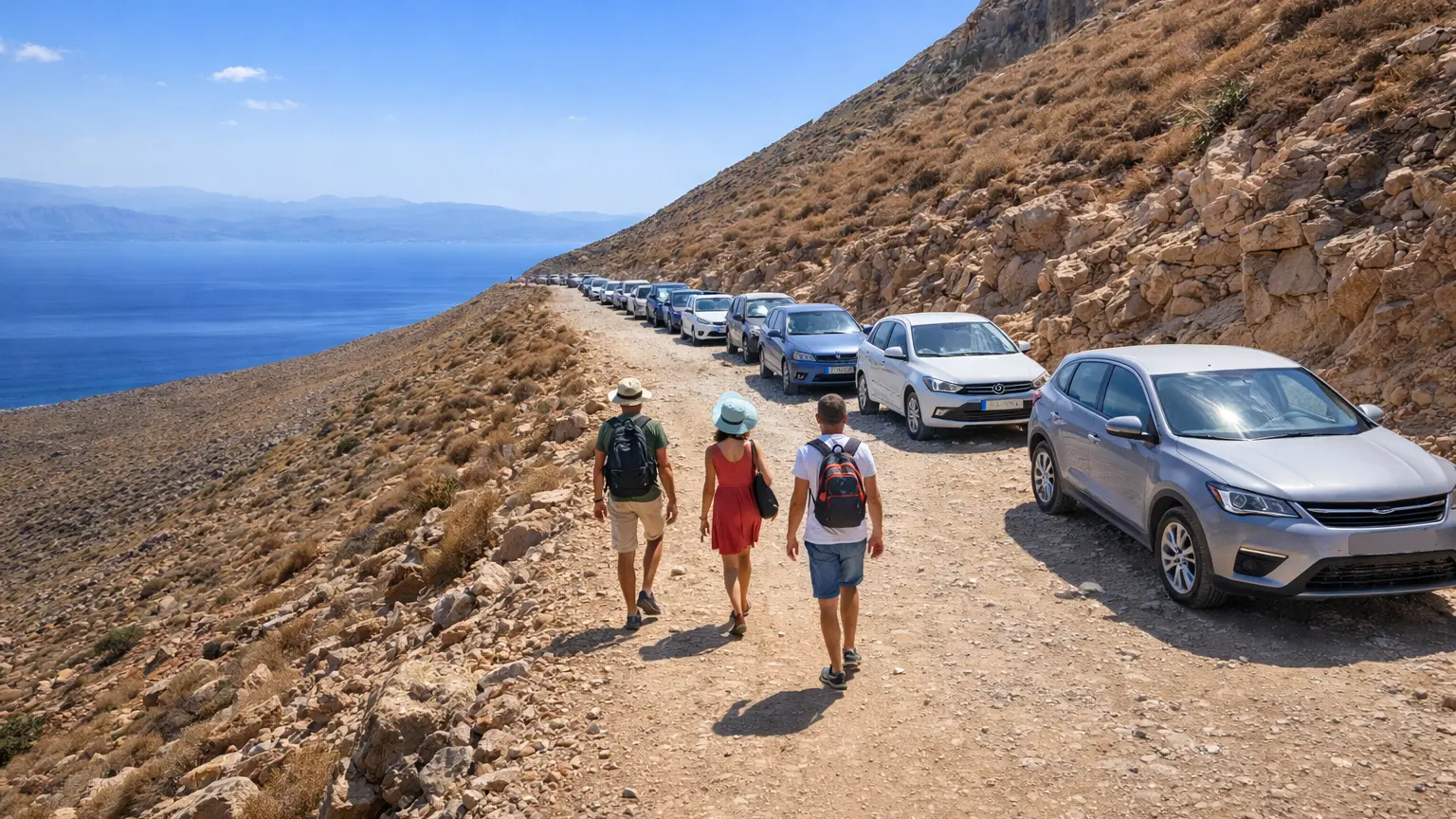
- Narrow Roads: Many roads are narrow, winding, and run along steep cliffs. Drive carefully, especially if you aren't experienced with mountainous terrain.
- Parking: Finding a parking spot in cities like Chania or Rethymno can be difficult during peak season. Pay attention to "No Parking" signs to avoid fines or towing.
- Public Transport: Buses (KTEL) are a popular and affordable way to travel, but schedules can vary. Always double-check departure times at the station.
4. Food and Health in Crete
Cretan food is exquisite, but it’s worth following a few simple rules to avoid stomach issues or other health hiccups during your trip.
- Water: Stick to bottled water for drinking, especially in less touristy areas where the tap water quality may vary.
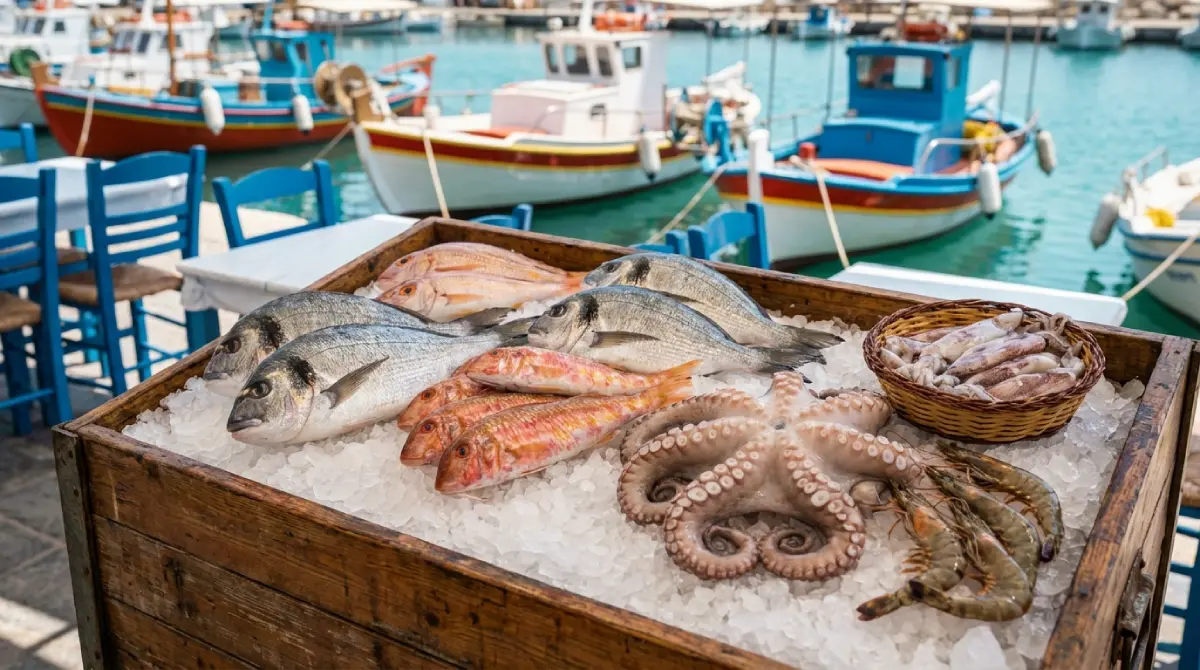
- New Flavors: Cretan cuisine is rich in fresh olive oil, seafood, cheeses, and local vegetables. Introduce new dishes gradually, especially if you have a sensitive stomach.
- Hygiene: Choose restaurants and tavernas with good reputations and high turnover. Avoid raw or undercooked dishes in places you don't fully trust.
- Travel Meds: Pack basic medications such as painkillers, anti-diarrheals, and allergy relief to handle any unexpected minor ailments.
5. Sightseeing and Culture in Crete
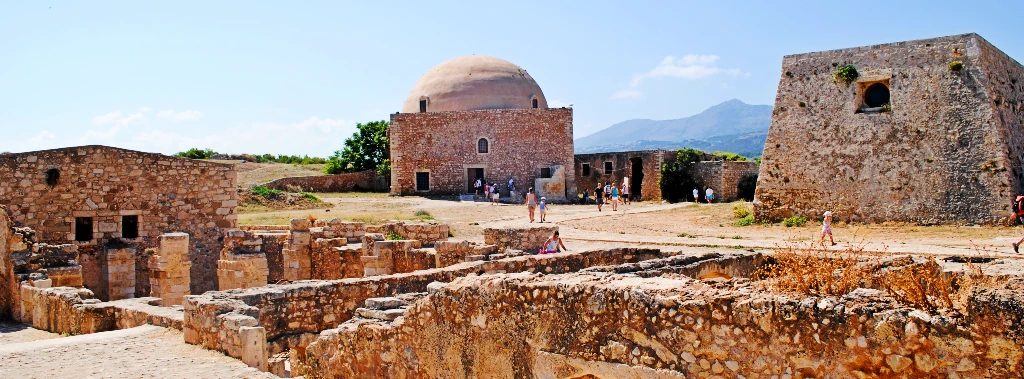
Crete offers incredible historical sites like the Palace of Knossos, the Venetian Fortezza in Rethymno, and ancient cities like Gortyna. When exploring, keep these tips in mind:
- Opening Hours: Always check the opening times for museums and sites, especially during the off-season when some locations might close earlier.
- Dress Code: A modest dress code is required at many sites, particularly in churches and monasteries. Carry a light scarf or wrap to cover your shoulders if needed.
- Respect Local Customs: Photography may be restricted in certain areas. Always ask for permission and respect the privacy of local residents.
- Guided Tours: Consider hiring a local guide to gain deeper insights into the island's rich history and vibrant culture.
6. Beaches and Sea Safety in Crete
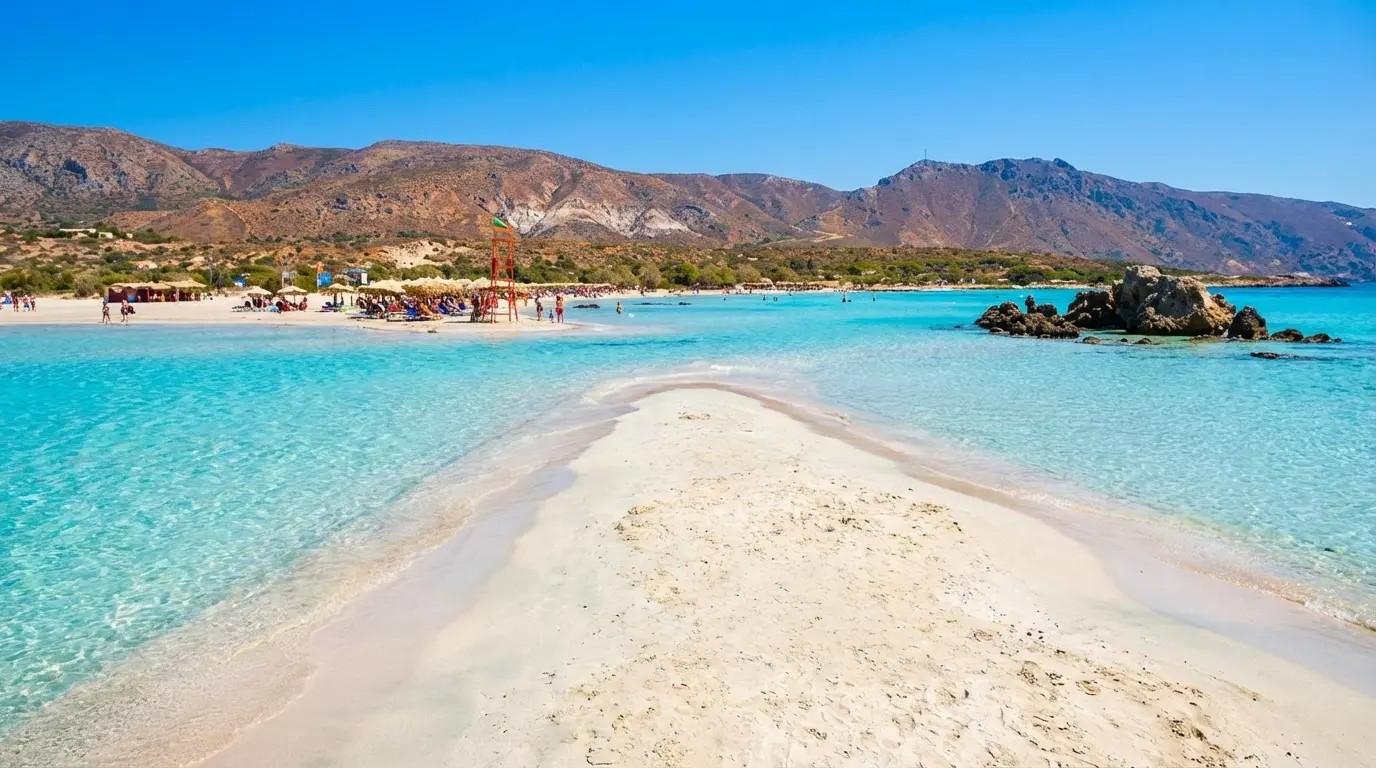
Crete is famous for its stunning beaches, such as Elafonisi, Balos, and Vai, but enjoying the sea requires caution:
- Sea Currents: Not all beaches have lifeguards, and currents can be strong. Always follow the flag warnings and avoid swimming far out if you aren't a strong swimmer.
- Sun at the Beach: You can get sunburned even under an umbrella. Use waterproof sunscreen and reapply it regularly.
- Beach Equipment: Ensure that rented sunbeds and umbrellas are in good condition and placed a safe distance from the high-tide line.
7. General Safety in Crete
While Crete is generally very safe, it’s always wise to take basic precautions:
- Pickpockets: In crowded areas like local markets, buses, or festivals, keep a close eye on your belongings. Consider using a money belt or neck pouch for documents.
- First Aid: Bring a small first aid kit with bandages, antiseptic, and basic meds to handle minor scrapes or injuries.
- Emergency Numbers: Remember the European emergency number (112). It’s also a good idea to have your embassy's contact info and the number for your car rental’s roadside assistance.
8. What to buy in Crete? The Best Authentic Souvenirs
Instead of mass-produced plastic trinkets, choose local products that will let you keep the taste and aroma of the island alive long after you return home.
- Extra Virgin Olive Oil: Crete's famous "liquid gold." For the best quality, buy directly from olive mills or local farmers.
- Thyme Honey: Highly aromatic with a deep amber color – it is a true symbol of Cretan nature.
- Herbs and Spices: Look for dried oregano, Dictamnus (a local healing herb), or custom spice blends for Greek salads.
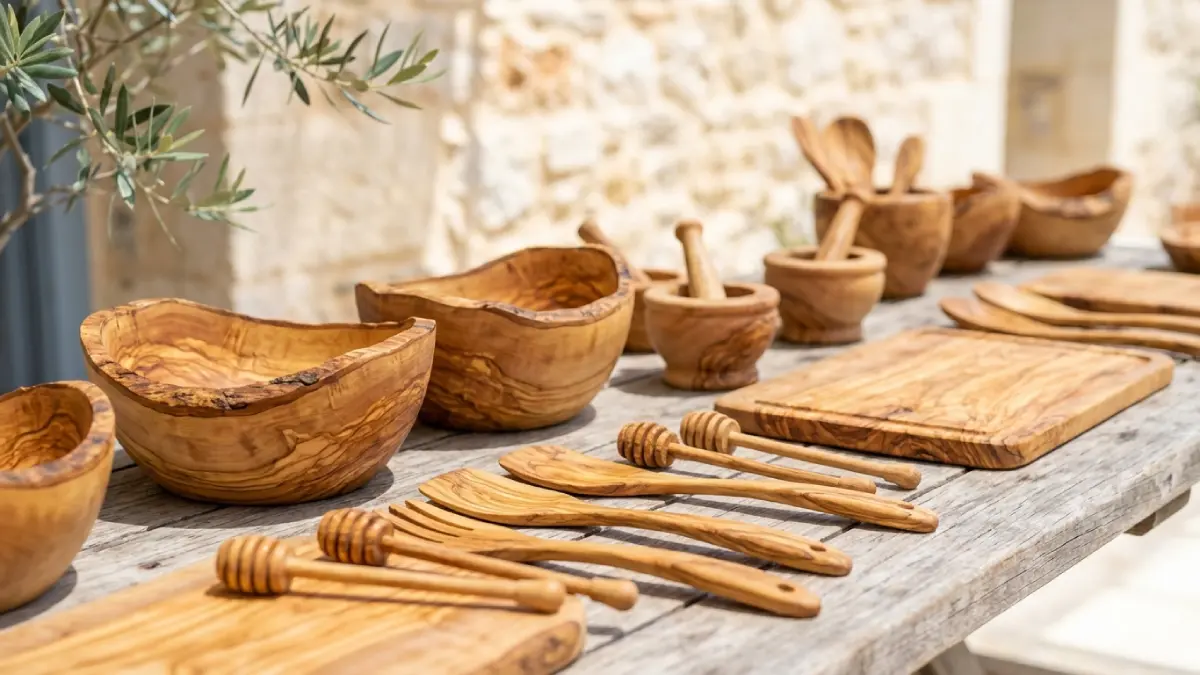
- Olive Wood Crafts: Hand-carved cutting boards, spoons, and mortars are not only beautiful but also incredibly durable.
- Raki (Tsikoudia): The traditional, strong Cretan spirit shared at almost every social gathering on the island.
FAQ – Common Questions About Traveling to Crete
Everything you need to know before your trip in 2026.
Yes, the sun in Crete is very intense, especially during summer. Always use high SPF sunscreen, wear a hat, and stay hydrated to prevent sunstroke.
Crete has no large predators, but you might encounter scorpions or snakes. They are not aggressive and usually avoid humans, but it's wise to stay alert when hiking in remote or mountainous areas.
Roads can be narrow and winding, and the local driving style is quite "dynamic." Take extra care when driving, and consider using public transport (KTEL) within major cities.
While tap water is generally safe for washing and cooking, most tourists prefer bottled water for drinking to avoid any potential stomach sensitivity.
Be mindful of strong sea currents and watch your step on rocky shores. We recommend wearing water shoes, especially on pebbly beaches.
Cretans are very hospitable. As a sign of respect, avoid entering churches in swimwear (dress modestly), and don't hesitate to try local dishes offered by hosts – it's a big part of the culture!
Ready for Your Greek Adventure?
A trip to Crete is bound to be an unforgettable experience, provided you come prepared. Keep in mind: stay safe, respect the local customs, and embrace every attraction this magnificent island has to offer.
With a little planning and these insider tips, you'll steer clear of trouble and enjoy a truly blissful vacation in this Mediterranean paradise.
You might also be interested in...
Handpicked specifically for you to make your journey to Crete complete.
Elafonissi Beach
Discover the magic of pink sand and shallow, turquoise waters. Find out when it is best to visit this famous beach to avoid crowds, how to get there safely, and why it is worth staying until sunset to feel its true vibe.
Read article →Tours and Sightseeing
Plan your perfect adventure on the island. Discover whether it is better to choose professional organized tours or explore hidden gems on your own with a rental car. We analyze the best routes to Knossos, Balos, and Samaria Gorge to help you maximize your holiday time.
Read article →