Rethymno Fortress (Fortezza) – A Venetian City Within a City
The Fortezza, the Fortress, the Venetian stronghold – this monumental structure is a true "city within a city" that dominates the skyline of Rethymno. From my own experience, I’ll tell you one thing: visiting this town without walking the walls of the Fortezza is like missing the very heart of the region.
The fortress is situated on Paleokastro Hill, right next to the Old Venetian Harbor, and its majesty beckons from afar. You won't even need a map to find it – its massive walls act as a compass for every traveler. For a nominal fee of 4-5 euros, you gain access to a vast area where time seems to slow down.
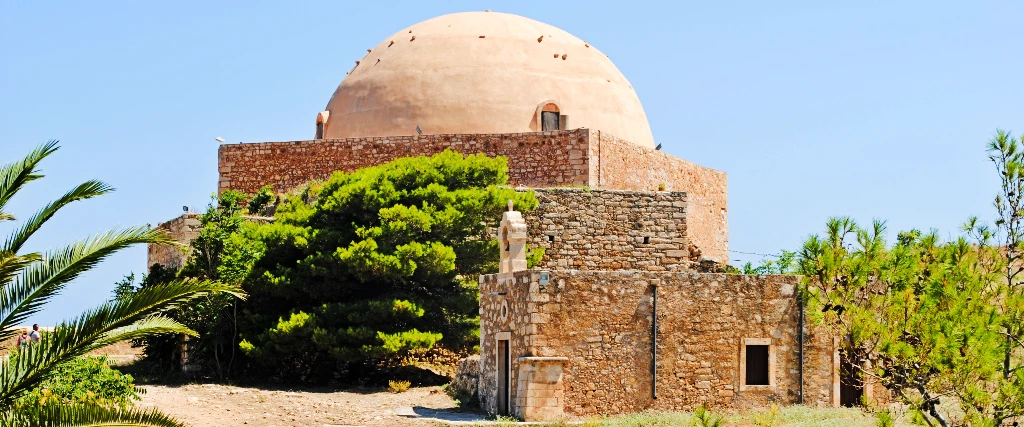
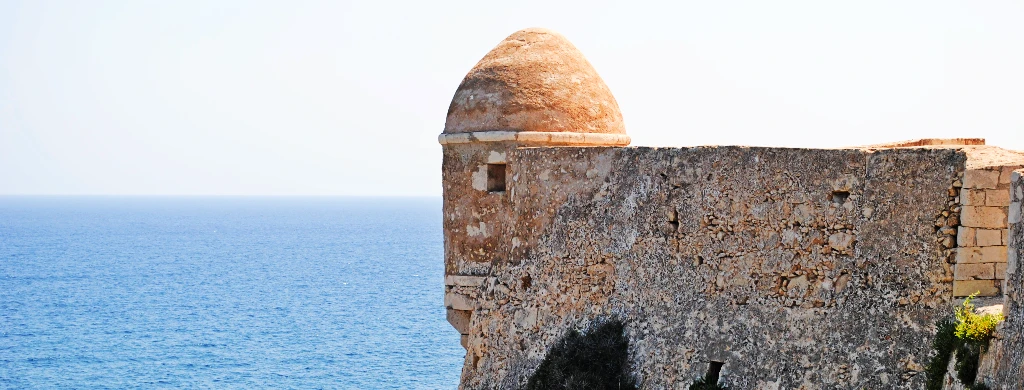
As you wander along the ancient stone paths, you can feel the power of the former Venetian Republic. My favorite spot is the Sultan Ibrahim Mosque with its iconic dome – it is here that Crete's turbulent history, blending Christian and Ottoman influences, is most striking.
Insider Tip: The best time to visit the fortress is in the late afternoon. As the sun slowly dips into the Cretan Sea, it bathes the walls in a golden glow, and the view of the labyrinthine Old Town streets from this perspective is simply breathtaking. Remember to wear comfortable shoes – the terrain is extensive and uneven in places!
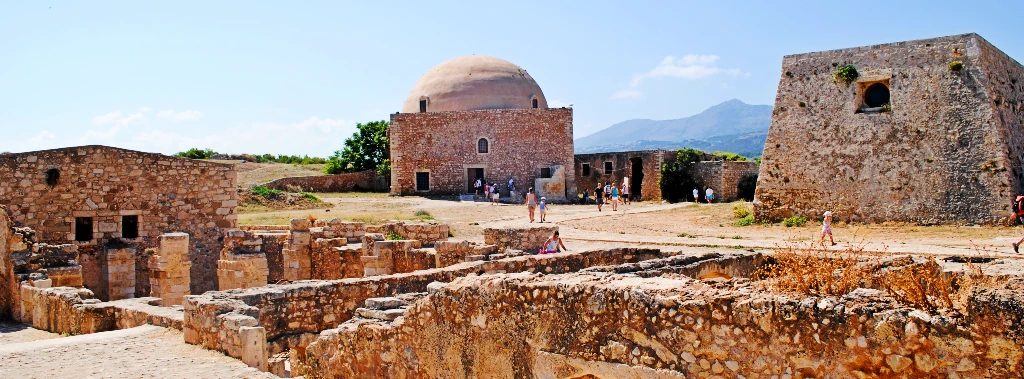
Climbing to the top of the fortress, you will be rewarded with a breathtaking view. The panorama of Rethymno, the red soil, turquoise-green water, olive groves, and vineyards shimmering in the sun – all of this makes the place a perfect spot for photos. On the horizon, you might spot herds of goats lazily moving in the heat of the Cretan day.
The Fortezza was built by the Venetians between 1540 and 1570 as a defense against Turkish pirates. The construction was a massive undertaking, involving over 100,000 Cretans and 40,000 animals. Despite the strength of the fortifications, it was captured by the Ottomans in 1646, who converted the Venetian Cathedral of San Niccolo into the Sultan Ibrahim Han Mosque. Inside the fortress, you'll find artillery and gunpowder magazines, the bastions of Sant' Elia, Santa Maria, and San Lucca, as well as storage for stones. The Governor's House (Palazzo Pubblico), where important decisions were made, is also well worth seeing.
Fortress Highlights – What to see inside the walls?
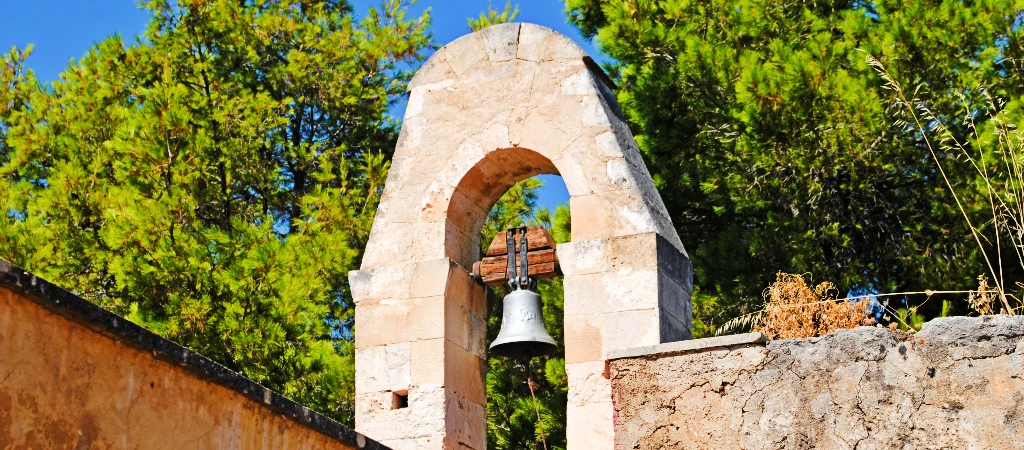
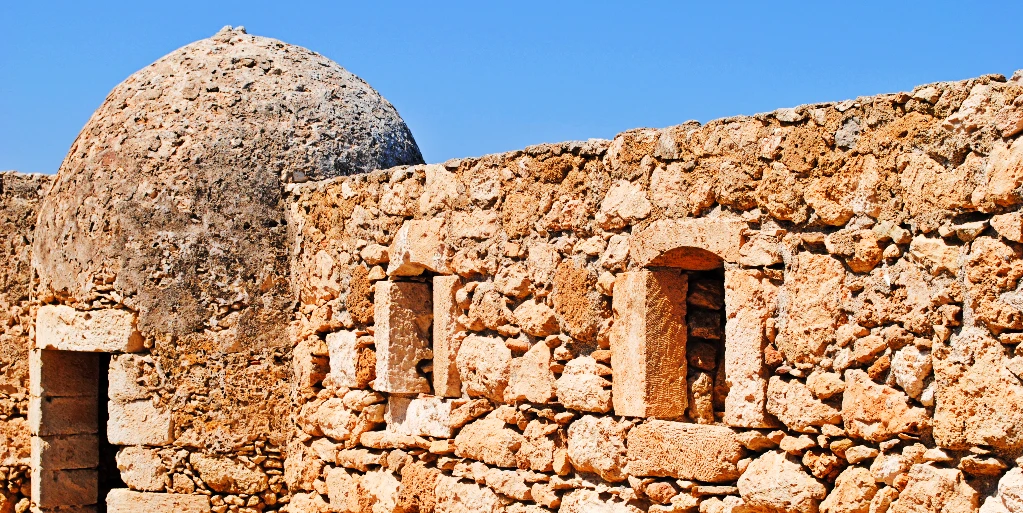
One of the most interesting places in the Fortezza is the Erofili Theatre. In the shade of its old stone benches, we can imagine what life in Crete was like centuries ago. As you walk along the fortifications, look out for the charming gates, walls with tiny windows, and architectural details. Churches like Agia Ekaterini or Agios Theodoros are also worth a visit. Who knows, maybe you'll feel like a bell ringer – perhaps not from Notre-Dame, but from Rethymno.
During your visit to the fortress, you can rest and quench your thirst at the local shop, where drinks and snacks are available. If you're lucky, you might also catch an interesting exhibition that will complete your historical journey.
When building the Fortezza, the Venetians planned for the entire population of Rethymno to find shelter within its walls in case of an attack. However, during the project, it turned out that the stronghold was too small to house all the residents. Today, this historical fact highlights the significance of the fortress not just as a defensive structure, but as a place symbolizing the difficult decisions and challenges faced by communities of that era.
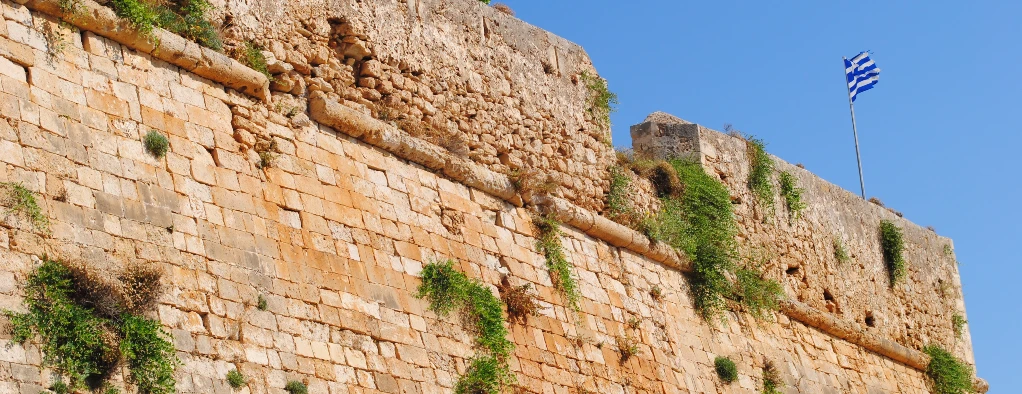
Is the Rethymno Fortress worth visiting? Without a doubt! The fortress in Rethymno is not just a monument; it’s a place that takes you back in time. Charming views, rich history, and a unique atmosphere make this a mandatory stop for every tourist. If you’re still hesitating – just look at the photos and let yourself be enchanted!
Practical Information: Visiting, Ticket Prices, and Duration
When planning a visit to this Venetian citadel, it's worth knowing a few facts that will help you better understand its scale and historical significance. The Fortezza is not just defensive walls, but a vast complex full of hidden details. Below, I have gathered the most important technical data and practical tips to make your sightseeing easier.
History and Construction
- Construction Date: 1540–1570
- Builders: Venetians
- Purpose: Defense against Turkish pirates
- Fun Fact: Over 100,000 residents and 40,000 animals worked on the construction.
Architecture and Size
- Total Area: approx. 130,000 m²
- Key Elements: Bastions (Sant' Elia, Santa Maria, San Lucca), artillery warehouses.
- Ottoman Influence: Sultan Ibrahim Han Mosque (former San Niccolo Cathedral).
Practical Info
- Ticket Price: approx. 5 euros
- Visiting Time: 1–2 hours
- Accessibility: Easy access on foot from Rethymno city center.
- Amenities: Refreshment shop, toilets, temporary exhibitions.
What to See
- Highlights: Erofili Amphitheater, Agia Ekaterini and Agios Theodoros churches.
- Views: City panorama, olive groves, and the turquoise sea.
- Events: Summer concerts and performances at the theater.
Best Time to Visit: Early morning or late afternoon. You will avoid the peak heat (there is very little shade within the fortress), and the walls and city will look most beautiful in the warm light of the setting sun.
How to get to the Fortezza? Location on the Rethymno Map
To help you locate one of the largest Venetian strongholds, I have prepared the map below. It allows you to check not only its exact position relative to the harbor but also how the monumental walls of the Fortezza blend into the Rethymno coastline.
For a full perspective, I have set the map to satellite view. This allows you to see the unique star-shaped bastions and the vast area hidden within the walls. Feel free to zoom in to examine the architectural details of this "city within a city" before you even start your tour.
What to See Near the Fortress?
Old Venetian Harbor
Located right at the foot of Fortezza Hill. It is the most photogenic spot in Rethymno, filled with historic buildings and traditional fishing boats.
Old Town Streets
A labyrinth of Venetian-Ottoman alleyways begins just as you leave the fortress grounds. The perfect place for a stroll in the shade of bougainvillea.
Rimondi Fountain
The famous 17th-century fountain with lion heads is the heart of old Rethymno. You can reach it in a 5-minute walk from the Fortezza's main gate.
The Magic of the Fortezza – Why It's Worth Visiting
Visit Summary
Rethymno Fortress (Fortezza) is a place that captivates not only with its monumental architecture and centuries-old history but also with its unique atmosphere and panoramic views of the entire Cretan coastline. It is one of those spots on the island where time seems to slow down, allowing you to fully appreciate the craftsmanship of the Venetian builders.
It is well worth spending time to thoroughly explore every bastion and pausing for a moment at the mosque or the open-air theater to feel the spirit of this extraordinary site. Whether you are a history enthusiast or simply looking for the best spot for a memorable vacation photo, the Venetian Fortezza will certainly not disappoint you.
FAQ – Rethymno Fortress (Fortezza) Through the Eyes of a Local
The Fortezza stands proudly on Paleokastro Hill, right next to the Venetian harbor and the Old Town of Rethymno. As the highest point in the area, the fortress walls are visible from almost every part of the seaside promenade.
It was constructed in the 16th century (between 1540 and 1570) by the Venetians. Their main goal was to protect the local population from devastating pirate raids and the growing power of the Ottoman Turks. Today, it is considered one of the best-preserved Venetian fortifications in all of Crete.
Yes, admission to the site requires a ticket. A standard ticket usually costs around 4-5 euros. It’s worth carrying an ID, as children, students, and seniors over 65 are eligible for discounts. Prices may vary slightly depending on the season.
While wandering the vast citadel grounds, be sure to check out the Sultan Ibrahim Mosque (with its iconic dome), the defensive bastions, old artillery warehouses, and the modern Erofili open-air theater. Don't miss the small churches of Agia Ekaterini and Agios Theodoros.
The walls offer one of the most beautiful panoramas on the island. From here, you can see the Rethymno Old Town with its labyrinth of streets, the picturesque Venetian harbor, the deep blue Cretan Sea, and the mountainous interior of the island, which looks particularly stunning at sunset.
To walk around the entire hill without rushing, visit the mosque, and take photos from the bastions, you should allow about 1.5 to 2 hours. Remember to wear comfortable shoes, as the paths are rocky and uneven in many places.
You might also be interested in...
Handpicked specifically for you to make your journey to Crete complete.
Safety and Health
Feel confident during your holidays. Check how medical care works on the island in practice, where to seek emergency help, how to use insurance, and what to watch out for when swimming in areas prone to strong currents.
Read article →Samaria Gorge
Take on the challenge and hike Europe's longest gorge. We have prepared a list of essential gear, trail opening hours, and key tips on how to plan the logistics of this demanding yet highly rewarding full-day expedition.
Read article →